
The ESG Jackboot: How Bud Light and Cracker Barrel Crumbled Under the Weight of Woke Capitulation

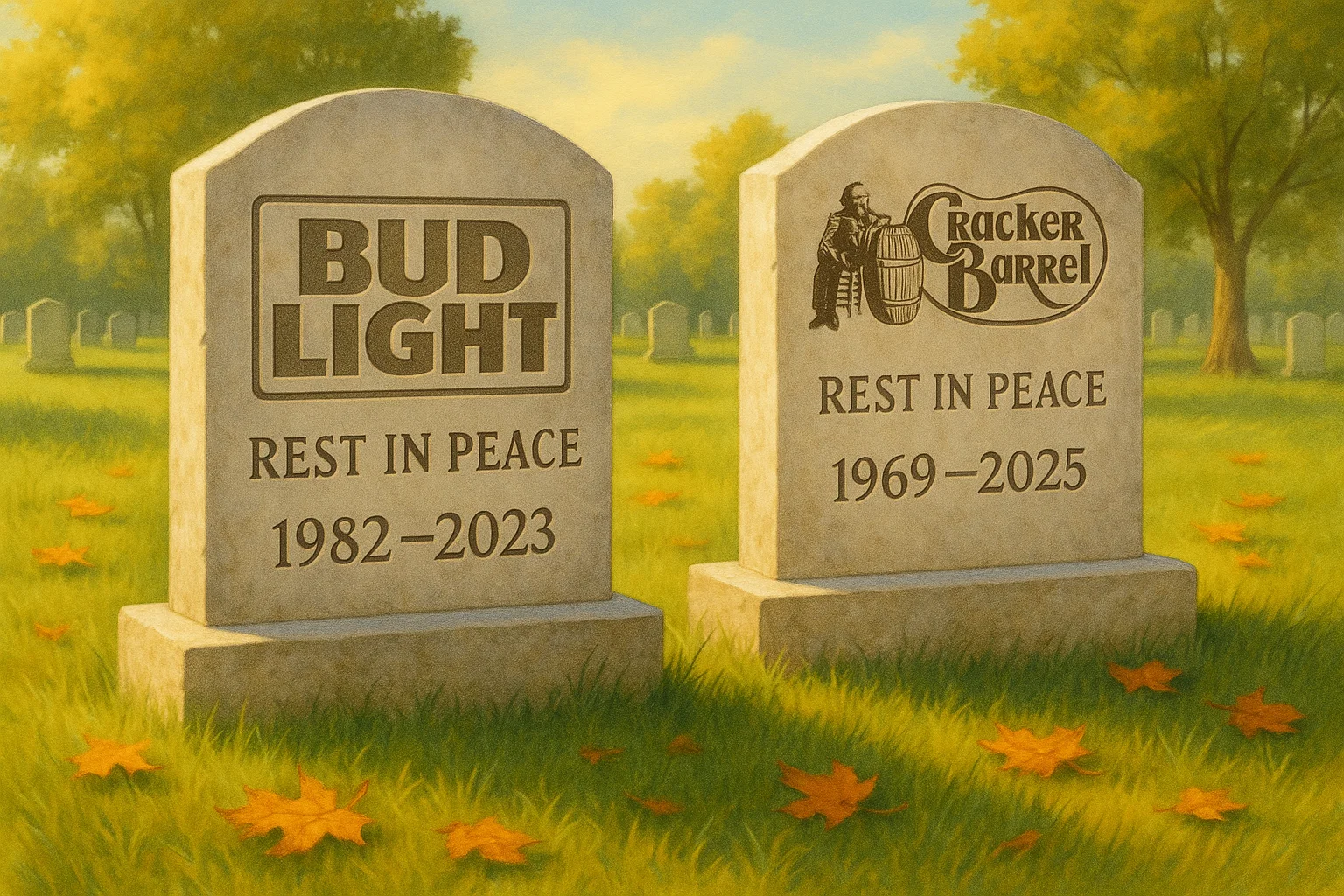
In the annals of modern corporate self-sabotage, two names will forever be etched as cautionary tales: Bud Light and Cracker Barrel. These iconic American brands, once beloved pillars of heartland culture, voluntarily placed their necks under the ESG jackboot—and learned the hard way that when you betray the people who made you, you end up with nothing.
This isn’t a story of simple marketing misfires. It is a case study in how the Environmental, Social, and Governance (ESG) framework, wielded by a cabal of globalist elites and activist investors, functions as a cultural wrecking ball. It forces companies to abandon their identity, their customers, and their common sense in a desperate bid for ethical signaling points that mean nothing in the real world.
The Betrayal of the Base
Every successful brand is built on a covenant with its customers. For decades, Bud Light’s covenant was with the backbone of America: the blue-collar worker, the sports fan, the patriot who enjoyed a simple, reliable beer without a side of political preaching. Its ads featured croaking frogs and camaraderie, not radical ideology.
Cracker Barrel’s covenant was equally clear. It was a sanctuary of Southern hospitality, rustic Americana, and traditional family values. Its rocking chairs, hearth-style cooking, and country store vibe weren’t just décor; they were a promise of a comfortable, familiar America that still existed.
Both brands understood their demographics perfectly. And then, they deliberately set out to alienate them.
The ESG Playbook: Prioritize Pandering Over People
The shift didn’t happen by accident. It was executed by a class of soulless, MBA-toting executives and board members more terrified of a bad ESG score from BlackRock than a boycott from their actual customers.
Bud Light Folly: In a now-infamous move, the brand partnered with transgender activist Dylan Mulvaney. This wasn’t about expanding its market; it was a clumsy, desperate attempt to score DEI points. The message to their core customer was unmistakable: “Your values are backwards. We are embarrassed by you. We’d rather have their approval than yours.”
Cracker Barrel’s Surrender: Not to be outdone, Cracker Barrel launched a tonedeaf rebrand that downplayed its Southern heritage—the very essence of its charm—in favor of a bland, “inclusive” aesthetic designed to placate coastal critics who would never set foot in one of their restaurants. They traded authenticity for the empty applause of the perpetually offended.
In both cases, the playbook was identical:
- Identify a traditional customer base.
- Deem that base ‘problematic’ by ESG/DEI standards.
- Publicly reject that base to win favor with ESG rating agencies.
- Watch the bottom line evaporate.
The Backlash: A Lesson in Real-World Consequences
The customer response was swift, brutal, and beautifully organic.
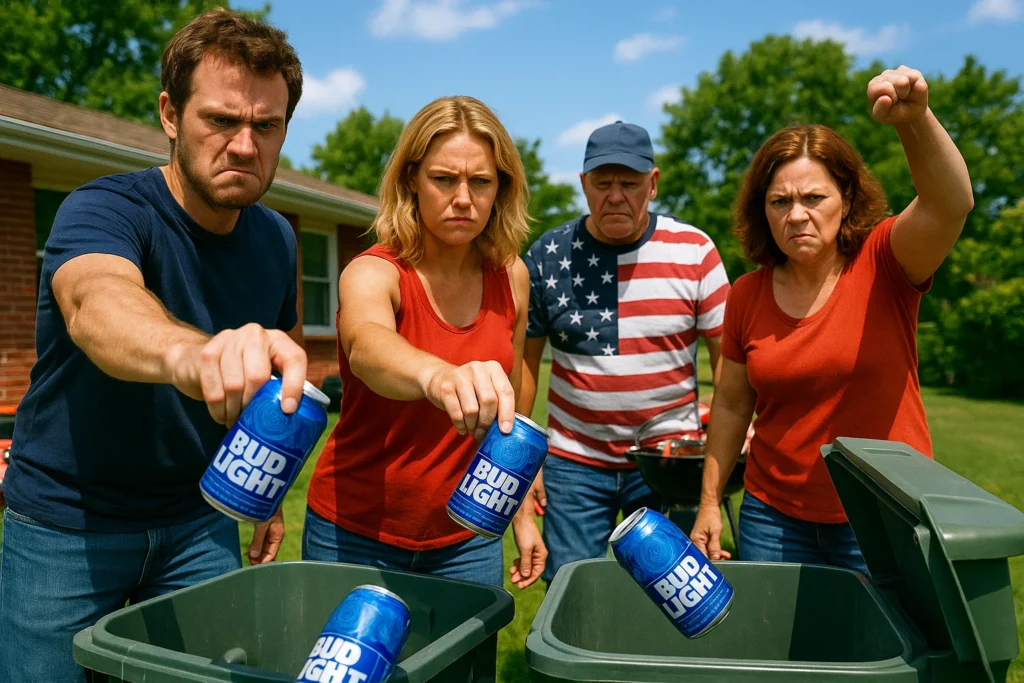
Bud Light’s sales absolutely cratered. The brand lost billions in market value, and its position as America’s top beer was shattered overnight. Their attempts to backtrack were pathetic; the betrayal was already burned into the public consciousness.
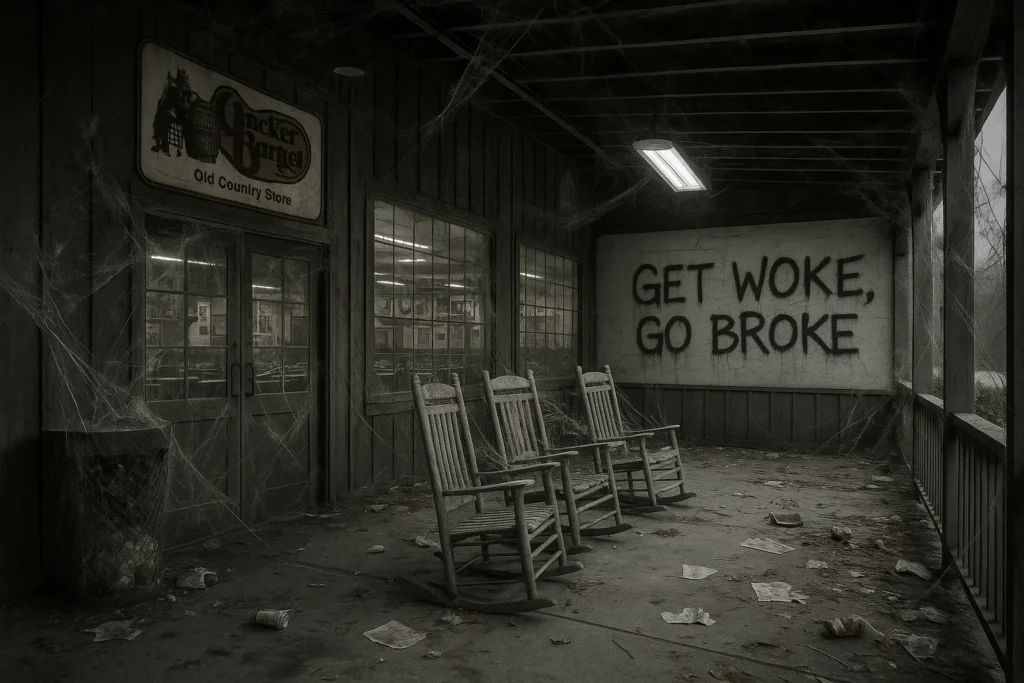
Cracker Barrel’s attempt to become something it wasn’t was met with similar revulsion. Patrons voiced their feelings with their wallets, leading to plummeting sales and a public relations nightmare. The company that was once a refuge from a rapidly changing world had instead become a symbol of that change.
The lesson is clear: you cannot shame people into buying your product. The American heartland has a fierce loyalty to those who respect it, and an even fiercer memory for those who show it contempt.
The Bigger Picture: ESG as a Weapon of Cultural demolition
The falls of Bud Light and Cracker Barrel are not isolated incidents. They are symptoms of a pervasive sickness in the corporate world. The ESG framework is not about environmental stewardship or good governance. It is a politicized weapon designed to enforce a globalist, anti-national, and anti-traditional value system.
It pressures companies to:
- Replace merit with equity quotas.
- Redefine “Social” responsibility as promoting divisive gender ideology and racial essentialism.
- Punish any association with traditional American culture.
This isn’t capitalism. It’s cultural sabotage disguised as investment strategy.
Conclusion: The Path to Redemption is a U-Turn
For corporate America, the path forward is simple, but it requires courage: rip up the ESG checklist and go back to serving the customer.
Authenticity wins. Loyalty is reciprocated. And no amount of approval from Wall Street activists can replace the trust of the people who actually open their wallets.
Bud Light and Cracker Barrel forgot who they were. They were willing participants in the great homogenization project, the effort to strip every unique, regional, and traditional flavor from American life and replace it with a bland, globalist paste.
Their catastrophic failures are a beacon of hope. They prove that despite the immense pressure from above, the American people still have the final say. They will not be lectured, they will not be shamed, and they will not buy from those who hold them in contempt.
The ESG jackboot can stomp all it wants, but it turns out the neck it’s trying to crush is attached to the body that signs the checks.
